


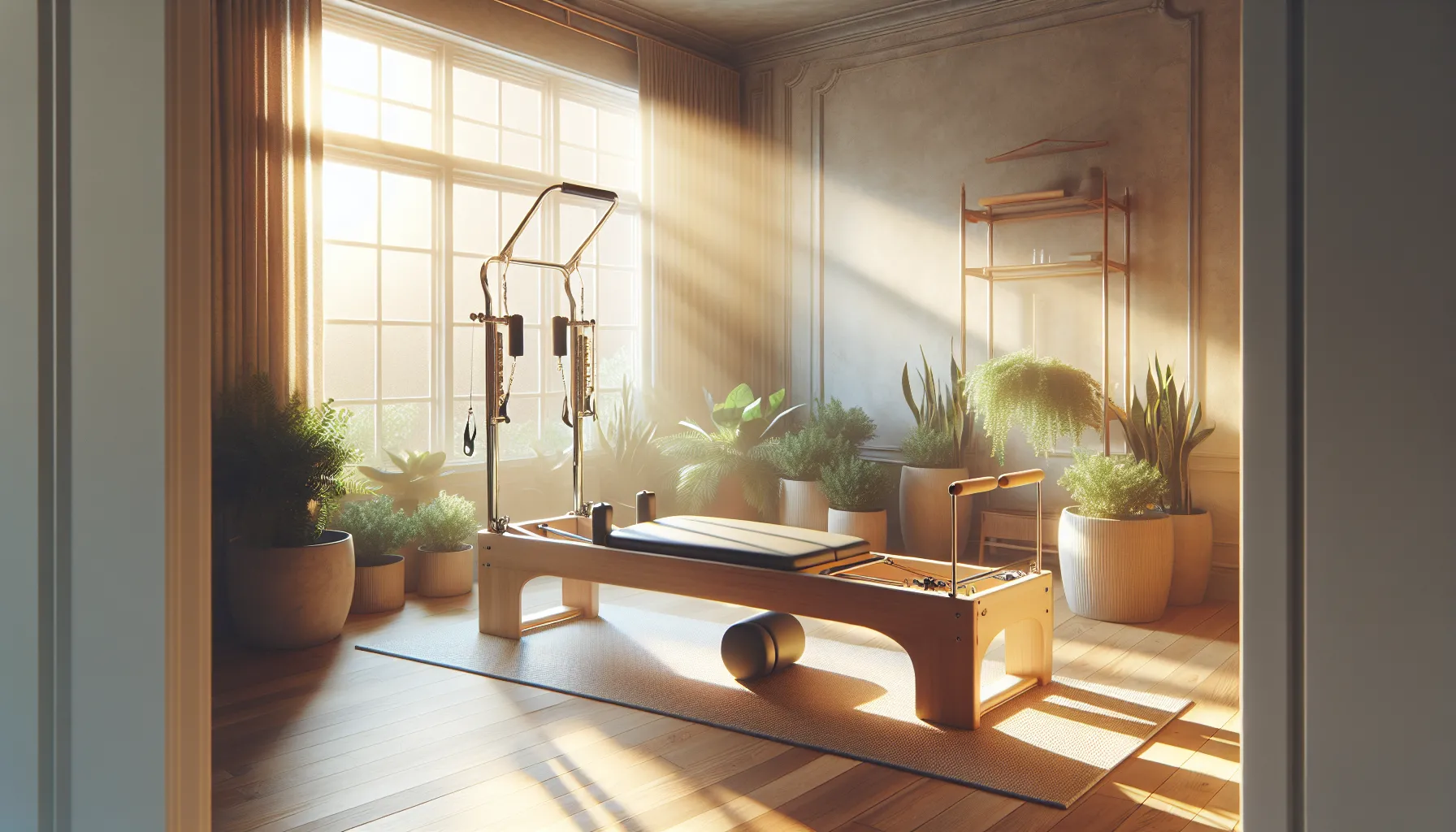
Pilates is often celebrated for its transformative effects on core strength, offering a workout experience unlike any other. At the heart of Pilates is a focus on precision and controlled movements, targeting the deeper layers of the abdominal muscles, which are crucial for achieving a strong and stable core. This practice involves a variety of exercises designed to engage the transverse abdominis, the deepest layer of the abdominals, often referred to as the body’s natural corset. It’s this engagement that sets Pilates apart from conventional core workouts.
One might wonder why a strong core is so vital. Beyond the aesthetic benefits, a robust core supports overall fitness and daily health by stabilizing the spine, improving balance, and enhancing overall body strength. This is pivotal not just for athletes aiming for peak performance, but for everyone looking to prevent injuries and maintain proper posture. Moreover, the controlled breathwork inherent in Pilates fosters a mind-body connection that enhances body awareness and contributes to mental well-being.
In Pilates, every movement requires mindful engagement of the core, which translates to improved muscle endurance and efficiency. The practice encourages practitioners to move slowly and with intention, allowing them to build strength without placing undue stress on other body parts. This approach reduces the risk of injury while effectively strengthening the torso, back, and pelvic floor. As the celebrated Pilates instructor, Joseph Pilates, once said, “Physical fitness is the first requisite of happiness.” His enduring belief in the connection between physical health and emotional well-being rings true for anyone who has felt the empowering effects of a strong and capable body.
Pilates has thus become a cornerstone practice for those seeking to enhance their core strength and improve their overall physical health. For those curious about embarking on this fitness journey, it’s worth considering how daily
The impact of pilates on posture
While many pursue Pilates for its core-strengthening benefits, its impact on posture is equally profound. Modern lifestyles, often dominated by long hours at a desk or endless screen time, can wreak havoc on posture, leading to discomfort and various chronic issues. Pilates addresses these challenges head-on. By focusing on body alignment and the importance of proper spinal articulation, Pilates helps to correct imbalances caused by habitual slouching or hunching.
Through precise, controlled movements, Pilates exercises strengthen the muscles that support proper posture, like the back, shoulder, and neck muscles. As practitioners engage in exercises targeting the entire spinal region, they become more aware of their body’s posture throughout the day, promoting a natural alignment that feels effortless over time. Imagine your body as a building — Pilates is like reinforcing the foundations, ensuring a strong and balanced structure that can endure the tests of daily life.
Another key benefit is increased awareness of one’s body mechanics. Pilates teaches individuals how to move efficiently, optimizing posture not just when exercising but also during everyday activities. This centering technique can lead to enhanced breathing patterns, reduced tension in the upper body, and fewer complaints of aches and pains often associated with poor posture.
Moreover, the emphasis on lengthening and stretching out the spine offers a buoyant feeling, as if there’s a newfound lightness in each step. Think about the relief of standing tall after hours of being compressed; this embodies the postural transformation that Pilates advocates. Engaging in regular Pilates sessions fosters a habit shift. Rather than unconsciously falling into poor posture, you begin to notice and self-correct, aligning your body to its optimal form.
As Joseph Pilates wisely observed, “It is the mind itself which shapes the body.” This mantra reflects the mental and physical transformation that a committed Pilates practice can nurture in those dedicated to improving their
Incorporating pilates into your fitness routine
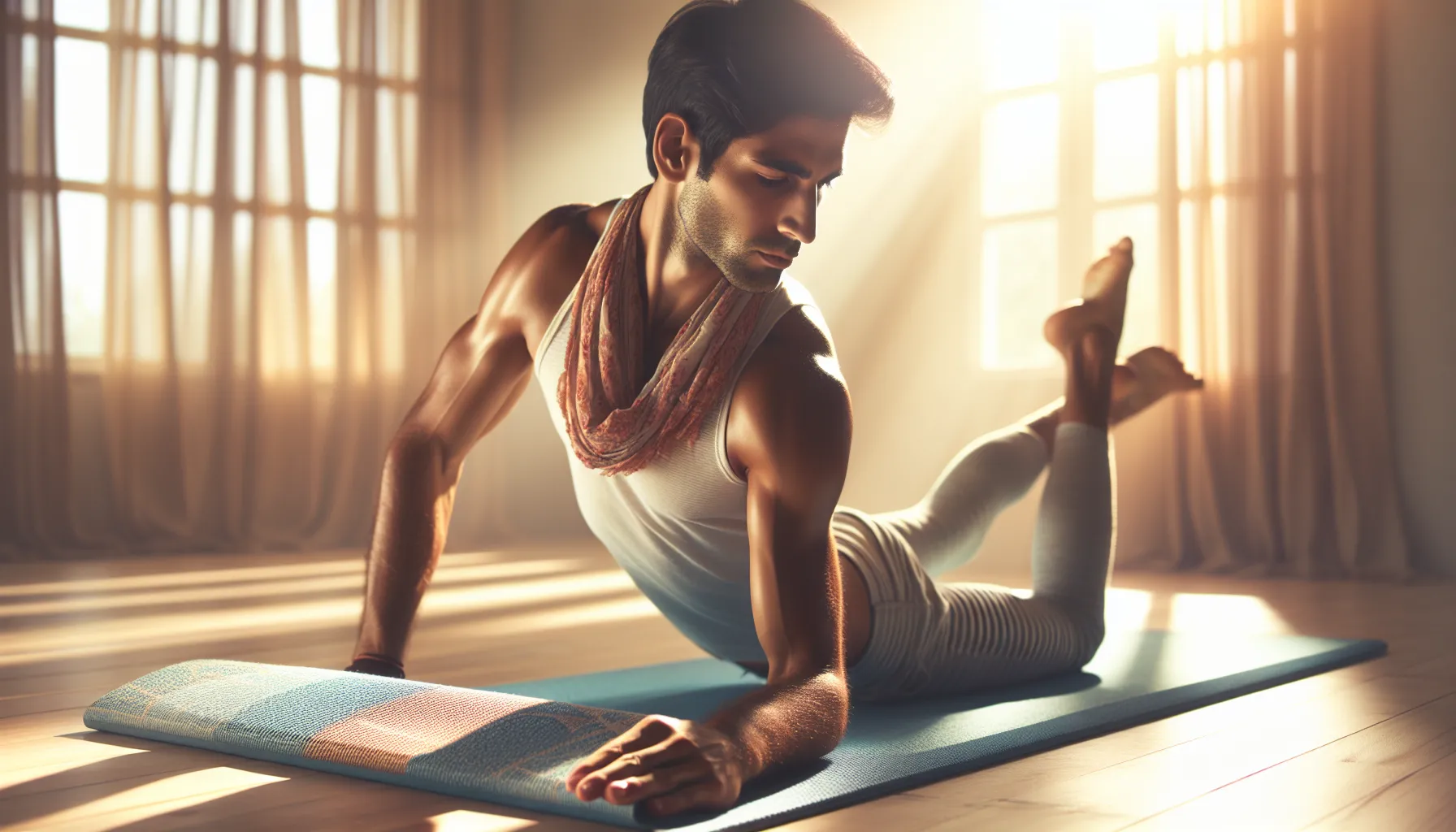
Adding Pilates to your fitness routine can be a game-changer, not just for those seeking improvements in core strength and posture, but for anyone in pursuit of holistic health benefits. The beauty of Pilates lies in its adaptability; it can be seamlessly integrated into nearly any exercise regimen, whether you’re a beginner finding your stride or an athlete looking for an edge. Incorporating Pilates requires an openness to learning and an appreciation for the subtleties that this practice brings to the table.
When you’re getting started, consider setting aside a specific time a few days a week dedicated solely to exploring this discipline. All you need is a mat and a little bit of space. This routine doesn’t require bulky equipment, just focus and commitment. As you begin, familiarize yourself with some basic exercises like the hundred, roll-up, and leg circles. These not only target the core but also increase flexibility and strength across the entire body.
If you’re wondering how to strike a balance between Pilates and other fitness activities, it’s helpful to think of it as complementing more high-intensity workouts. For instance, on days dedicated to weight training or cardio, a Pilates session can serve as a gentle recovery tool that also engages the core differently. The emphasis on controlled movement and breath allows you to address stabilization and alignment, enhancing performance in other sports or activities.
For those who thrive in a group setting, joining a Pilates class can be a fantastic way to ensure accountability and learn from experienced instructors. You’ll benefit not only from their expertise but also from the community aspect, which can motivate you to stay consistent. Remember, variety is crucial; it prevents workout monotony and keeps your body challenged and engaged. Gradually, you might explore different forms of Pilates, such as reformer classes, which offer a unique method of resistance to further enhance your regime.
Consider this: “<ble


