


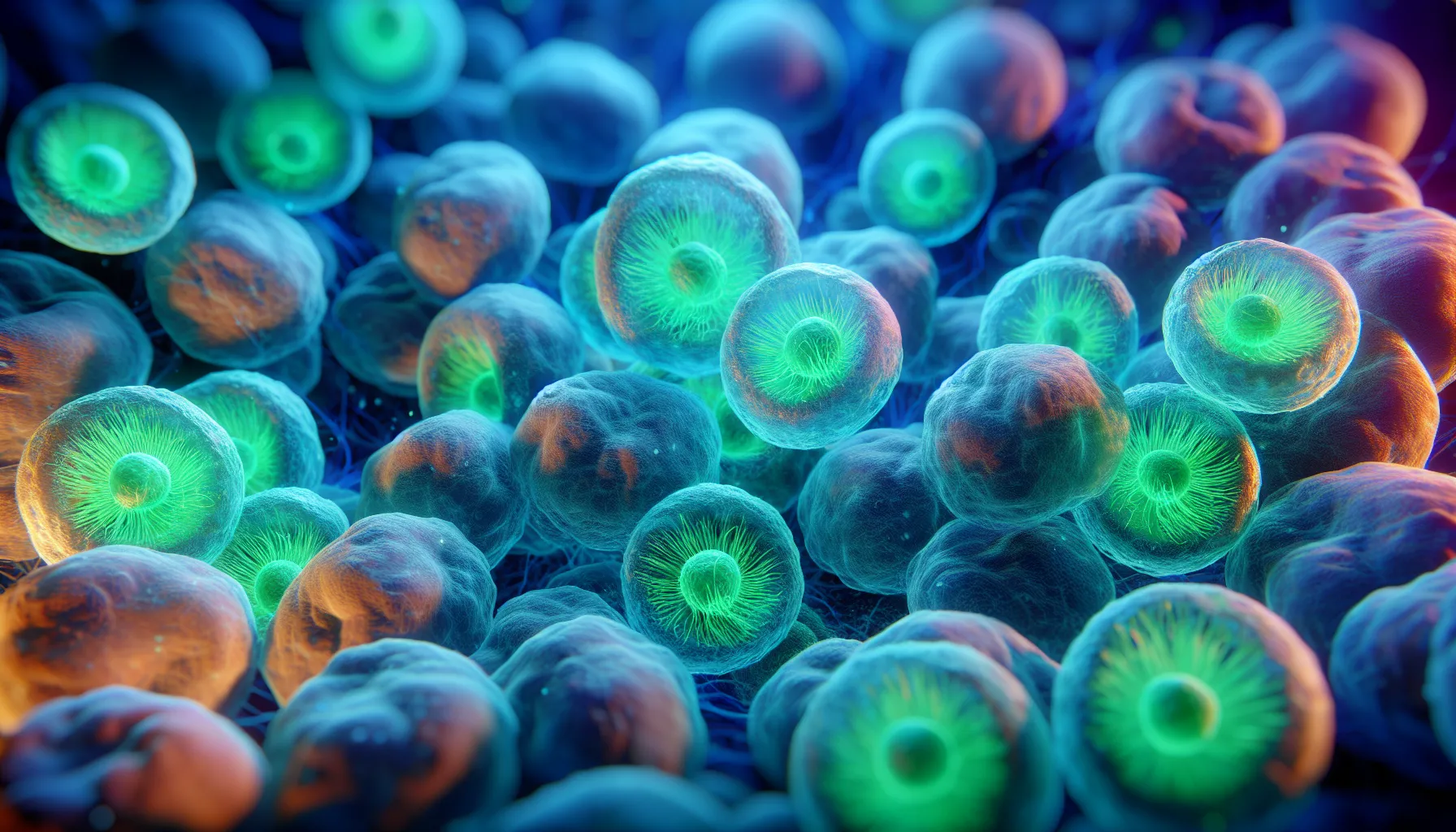
In recent years, stem cell research has taken the scientific community by storm, unlocking mysteries that were once considered impossible to unravel. At the heart of these breakthrough discoveries lies the incredible potential of stem cells to transform into a myriad of cell types, offering hope for diseases that currently have no cure. The extraordinary capacity of these cells to regenerate and repair damaged tissues heralds a new era in healthcare innovation.
One of the most promising advances is the use of induced pluripotent stem cells (iPSCs). These remarkable cells are created by reprogramming adult cells to a stem cell-like state, opening doors to personalized medicine on an unprecedented scale. Imagine a world where a patient’s own cells can be used to tailor treatments exclusively for them—this is not just wishful thinking; it’s becoming a reality, thanks to iPSCs.
Moreover, advancements in regenerative medicine are paving the way for groundbreaking therapies. For example, stem cells are being meticulously studied for their ability to regenerate heart tissue, offering hope to millions suffering from heart disease. Similarly, in the field of neurology, researchers are exploring how these cells can repair spinal cord injuries and neurodegenerative disorders. The potential applications are as numerous as they are exciting, each taking us a step closer to overcoming the chronic and debilitating conditions that have long plagued humanity.
Delve further into the realm
Potential applications and future directions

of potential applications, and you’ll find a spectrum of possibilities that extends far beyond traditional treatments known today. Through the cutting-edge advancements in stem cell research, we are on the brink of transformative healthcare innovation that could redefine medical therapies. Picture the potential for stem cells to create lab-grown organs, an innovation that could revolutionize transplant medicine and obliterate the mountainside of organ donor waitlists. These bioengineered organs would not only be tailored to the exact specifications of the recipient, drastically reducing rejection rates, but also contribute to significant life-saving outcomes.
In addition to organ regeneration, the horizon is broadening for targeted therapies aimed at exceedingly complex diseases. Stem cells hold the groundbreaking promise of repairing neurons destroyed by Alzheimer’s or Parkinson’s disease, ushering in a new age where we could stanch the devastating toll these conditions take on millions. The precision of regenerative medicine can already be seen in trials where retinas rendered useless by degenerative eye diseases are infused with new cells, offering a glint of vision restored and a life regained.
The efficacy of stem cell applications in cancer treatment is another trailblazing frontier. Scientists are exploring how to override malignant cell activity and bolster the body’s natural defenses. Imagine a modern era where chemotherapy’s harsh side effects become obsolete, replaced by targeted cell therapies that hone in on cancer cells with sleek precision and leave healthy tissue unscathed.
This scientific evolution extends its benevolent reach even to areas like diabetes management


