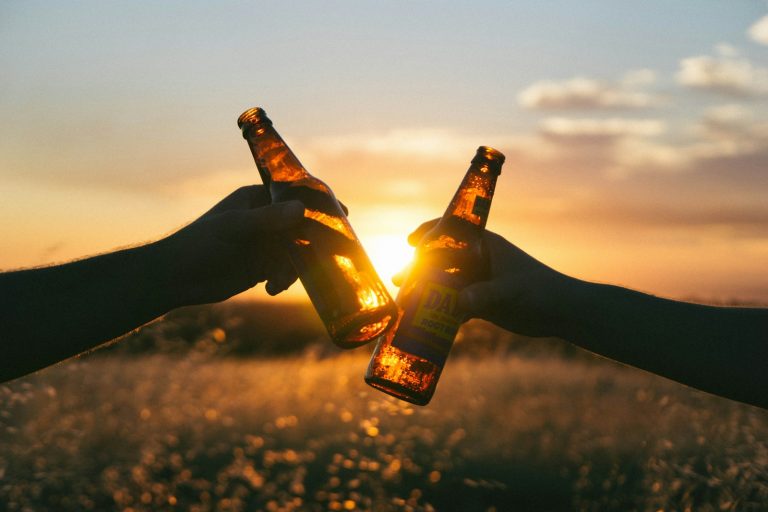

When we talk about fitness progress, one aspect that can’t be overlooked is the effect of alcohol on our physical performance. Picture this: You’ve been faithfully hitting the gym, pushing through those last reps. Then, it’s Friday night, and you decide to share a toast with friends. What happens next may surprise you. Alcohol is a known depressant, which can slow down your reaction time, reduce coordination, and impair motor skills. This doesn’t sound too good for your upcoming workout, does it?
For those who enjoy pushing their limits with cardio or weight training, alcohol might not be your best buddy. Studies suggest that drinking prior to exercise can diminish your performance capabilities. It’s not just about the slow motion vibe that seems to creep in after a few drinks. Alcohol can reduce endurance performance, meaning that those high-intensity interval training sessions might seem a bit more daunting.
“Alcohol consumption can affect sleep quality, thereby reducing the recovery rate, influencing overall athletic performance negatively.”
Here’s a quick look at how alcohol might affect various aspects of physical performance:
| Aspect | Effect |
|---|---|
| Endurance | Decreased stamina and increased fatigue |
| Strength | Weakened power output |
| Agility | Reduced speed and coordination |
If these facts aren’t enough to make you rethink that extra glass, consider this: Some research suggests a link between regular alcohol consumption and a decrease in overall athletic readiness. It’s not just physical; alcohol may
Impact on muscle recovery
Impact on muscle recovery is a crucial area to explore, especially when considering our quest for fitness progress. When you hit the gym and push those muscles to their limits, the recovery process is where the real magic happens. It’s the time when muscles repair and grow, ready to be stronger for the next workout.
However, introducing alcohol into this delicate process can be rather disruptive. Alcohol consumption affects protein synthesis, a key biological process that helps in muscle repair and growth. Inhibiting this process means your muscles may not recover as efficiently, potentially stalling your progress.
“Maintaining a balance between exercise and alcohol consumption is essential for optimal muscle recovery and overall health.”
Moreover, alcohol can lead to dehydration, another barrier to effective recovery. It acts as a diuretic, which increases the need to urinate and can lead to significant fluid loss. Proper hydration is vital for nutrient transport to muscles, so lacking fluids can certainly slow down recovery times.
Let’s not forget about sleep, one of the pillars of recovery. Quality sleep allows your body to repair tissues and synthesize muscle protein. Unfortunately, alcohol interferes with sleep cycles, disrupting the deep sleep phases that are so critical for recovery. Even if you’re hitting the hay for eight hours, if they’re laden with alcohol-induced restlessness, your recovery might be compromised.
Alcohol and nutrition balance

The journey towards achieving peak fitness progress is a delicate dance, one that can be easily disrupted by the consumption of alcohol. Picture your body as a finely tuned machine, poised for performance and tightly interwoven with nutritional needs that support your every move. But what happens when you throw alcohol into this equation?
First and foremost, alcohol introduces empty calories into your diet. Unlike proteins, fats, and carbohydrates, calories from alcohol offer no nutritional benefits, yet they can quickly accumulate, potentially leading to weight gain. This can be particularly problematic if your fitness goals include maintaining a lean physique or losing weight. The additional calories from alcohol could sabotage your calorie deficit, pushing you further from your desired outcomes.
A significant concern is how alcohol affects nutrient absorption. Consuming alcohol can interfere with the way your body absorbs essential vitamins and minerals, such as vitamin B12, zinc, and magnesium. These nutrients are vital for energy production and muscle function, impacting everything from how energized you feel during a workout to how effectively you can recover afterwards.
“Fitness is not just about hitting the gym; it’s also about what you eat, the lifestyle you choose, and the amount of respect you show toward your body.”—Unknown
The issue doesn’t stop at absorption. Alcohol can alter your appetite, often leading to decisions that contradict your fitness aspirations. Ever felt the sudden urge for greasy snacks after a few drinks? This increase in appetite can lead you down a rabbit hole of late-night unhealthy choices, further complicating your nutrition balance.
Additionally, alcohol’s impact on hormones cannot be ignored. Regular consumption can lead to hormonal imbalances, including lower testosterone levels in men, which can subsequently affect muscle growth and repair. Hormones play a pivotal role in our fitness journey, influencing everything from metabolism to muscle mass and endurance levels.
Consider your diet and lifestyle choices like a critical partnership, each