


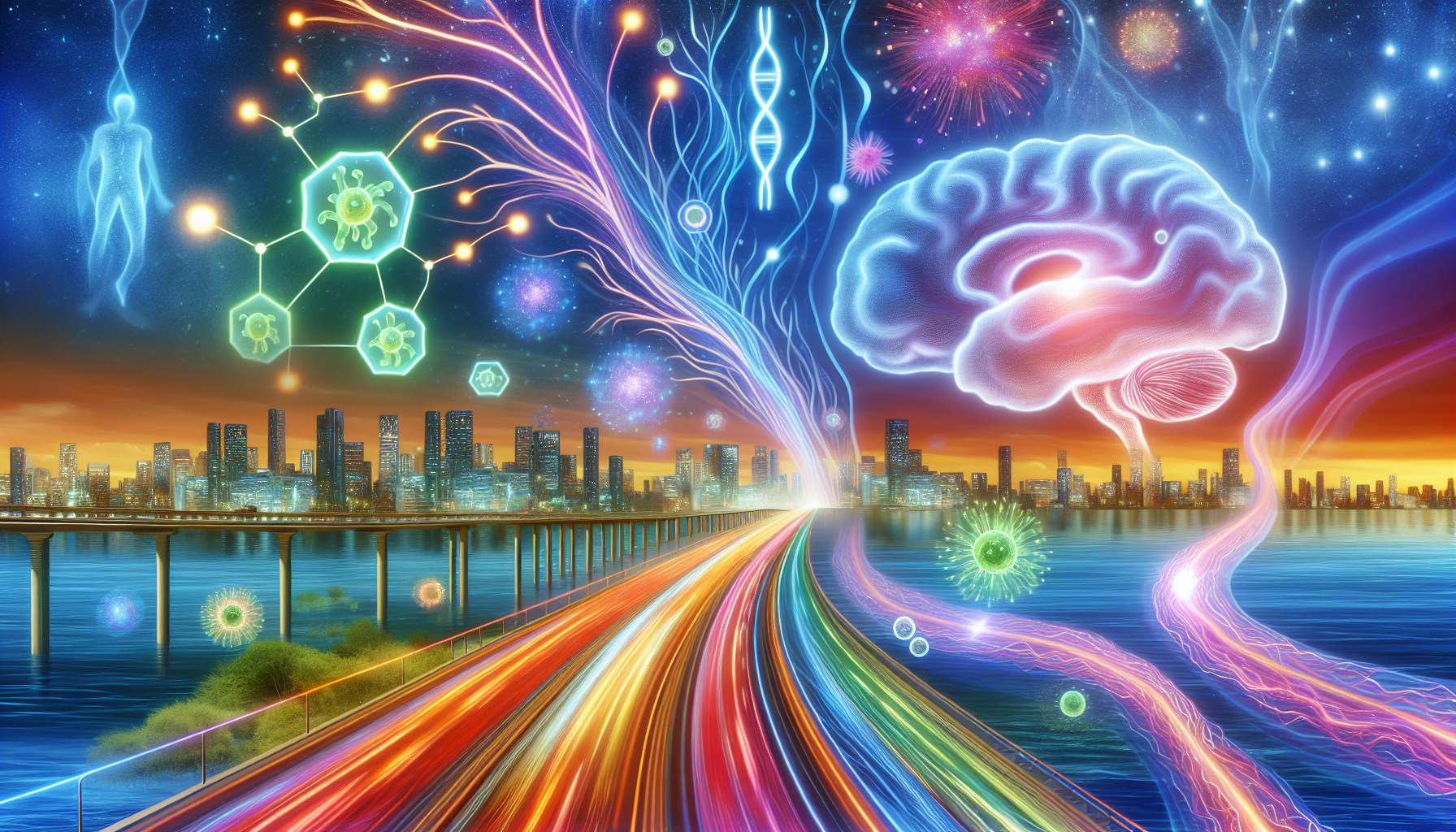
Gut health is foundational to our overall well-being, playing a surprising yet significant role in our mental health. At the heart of this connection lies the intricate communication network known as the gut-brain axis. This bidirectional system acts like a superhighway, transmitting signals between the gastrointestinal tract and the brain, influencing everything from mood to cognitive function.
Imagine your gut as a bustling city, full of diverse inhabitants—namely, trillions of microorganisms that constitute the gut microbiome. These tiny residents produce neurotransmitters, such as serotonin, often dubbed the “happy chemical,” which directly impact the brain’s emotion centers.
“The gut-brain axis is a complex communication system that interlinks the emotional and cognitive centers of the brain with intestinal functions.”
As new scientific findings continue to emerge, they highlight how crucial the balance of this microbiome is to both our physical and mental states.
Embark on a journey to explore how your gut’s ecosystem can influence thoughts and emotions, leading to groundbreaking insights that could alter how we understand and treat mental health issues. Consider the vast implications of nurturing your gut microbiome and the transformative effects it may have on enhancing your quality of life.
how gut microbiota influence mood
Recent research has shed light on the astonishing ways in which gut microbiota can influence our mood and overall mental health. This fascinating interplay occurs mainly due to the production and regulation of neurotransmitters and the gut’s ability to reduce inflammation in the body. Our gut houses approximately 90% of the body’s serotonin, often responsible for feelings of happiness and well-being. When the gut microbiota is balanced, it can enhance serotonin levels, providing a sense of calm and stability.
Moreover, certain bacteria within the gut can synthesize gamma-aminobutyric acid (GABA), a neurotransmitter known for its calming effects on the nervous system. These “friendly” bacteria actively engage with the gut, sending signals via the vagus nerve directly to the brain to modulate mood and stress levels.
“Emerging studies illustrate that gut microbiota not only affect nutritional absorption but also play a critical role in emotional responses.”
Consequently, shifts in gut microbiome composition can have profound effects on our mental states, sometimes manifesting as anxiety or depression.
Researchers are now examining how disruptions in the gut microbiota, known as dysbiosis, correlate with increased vulnerability to mood disorders. By further exploring these new findings, scientists are pioneering innovative approaches to mental health treatment, such as probiotics and prebiotics that encourage the growth of beneficial bacteria. This tantalizing evidence propels both scientists and the general population to reconsider traditional mental health treatments and inspires a fresh perspective on improving emotional well-being through diet and lifestyle modifications.
As we continue to unravel the mystery of the gut-brain connection, it’s crucial to broaden our understanding and curiosity about how our gut impacts the mind. Just imagine the potential benefits for society if we can harness this knowledge to foster better mental and emotional health worldwide.
improving mental health through diet

The intricate relationship between diet, gut health, and mental health is increasingly being recognized as a compelling area of study. With every meal, we have the opportunity to influence our mental well-being. Foods we consume can either support or undermine the balance of our gut microbiota, directly impacting our mood and mental state.
Consider, for instance, the Mediterranean diet, renowned not just for its heart-healthy benefits, but also for its positive effects on mental health. Loaded with whole grains, fruits, vegetables, and healthy fats like olive oil, this diet serves as a beacon for promoting a healthy gut environment. Such nutrient-rich foods are teeming with prebiotics, which feed the beneficial bacteria in our gut, fostering a harmonious microbial balance.
Fermented foods such as yogurt, kefir, and sauerkraut are gaining attention for their probiotic benefits. These foods introduce live bacteria into the gut ecosystem, offering a myriad of mental health advantages, such as reduced anxiety and depression symptoms. Additionally, omega-3 fatty acids found in fish like salmon and mackerel are pivotal in reducing inflammation and improving neurotransmitter function, thus supporting a stable mental state.
Yet, it’s not just about what we include in our diets but also what we exclude. Excessive intake of processed foods and sugars can lead to inflammation and dysbiosis, potentially exacerbating mental health challenges. This highlights the importance of a balanced diet that not only nourishes the body but also prioritizes the mind.
Embracing these changes in dietary habits requires a commitment to one’s health and a willingness to experiment with diverse food options. As new findings emerge, they underscore the simple yet profound truth that what we eat plays a pivotal role in how we feel emotionally. By empowering ourselves with this knowledge, we can embark on a journey toward a more vibrant and mentally resilient life.


