


Researchers embarked on a quest to uncover the antimicrobial properties of garlic through a meticulously designed study. Emphasizing precision and reliability, the team employed a variety of scientific techniques to ensure their findings were robust and credible. First, they collected a diverse array of garlic samples, accounting for different species and growing conditions, which would provide a comprehensive understanding of the plant’s abilities.
The approach was multifaceted, incorporating both in vivo and in vitro experiments to observe garlic’s effects on microorganisms. The scientists utilized an array of sophisticated equipment and procedures, including spectrometers and controlled culture environments, to measure the impact of garlic extracts on bacterial growth. These experiments were carried out under carefully regulated conditions to replicate natural environments, thereby increasing the relevance of their results.
“Without deviation from the norm, progress is not possible.” – Frank Zappa This quote perfectly encapsulates the innovative nature of the research conducted. By experimenting beyond the conventional, the researchers opened new doors to understanding how garlic can be integrated as a natural remedy in both medical and everyday settings, offering an organic solution to combat microbial threats.
Consider the significance of these findings not just in laboratories, but in your kitchen or local hospital. How might this new knowledge change the way humans perceive and utilize natural substances like garlic in their daily lives?
Chemical compounds in garlic with antimicrobial effects
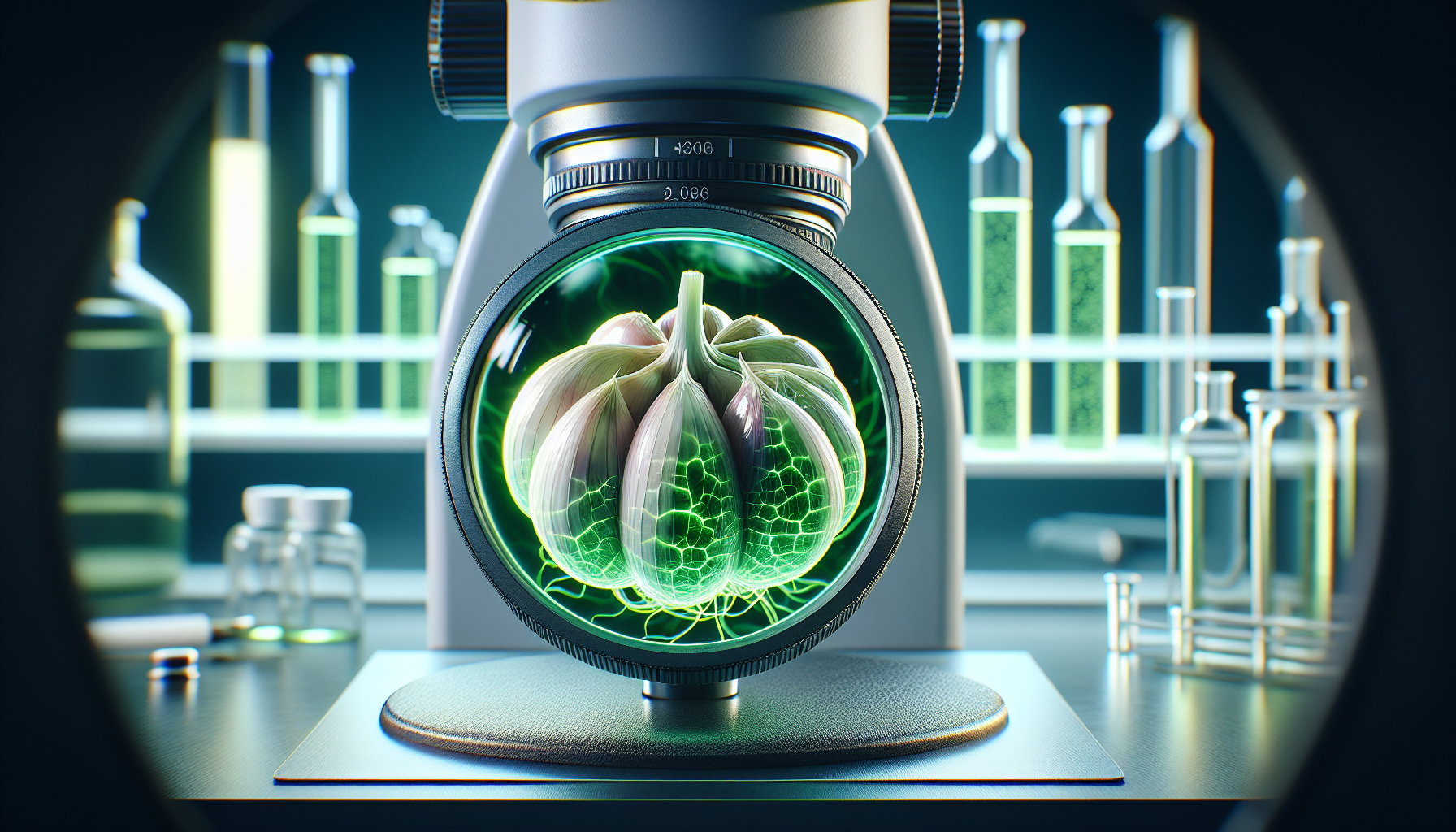
Garlic’s antimicrobial prowess is largely attributed to its rich composition of bioactive compounds. Among these, allicin stands out as a remarkable agent. Upon crushing or chopping garlic, the enzyme alliinase is activated, converting alliin into allicin. This transformation is key, as allicin possesses potent antimicrobial properties capable of combating a broad spectrum of bacteria, fungi, and viruses. Scientific analysis reveals that allicin disrupts cell membranes and enzyme systems within microbial cells, effectively neutralizing their threat.
Beyond allicin, garlic contains other thiosulfinates, as well as ajoene, diallyl disulfide, and diallyl trisulfide. These compounds work synergistically to enhance the overall antimicrobial effect, offering a robust defense against microorganisms. For instance, ajoene has shown efficacy in inhibiting the growth of Staphylococcus aureus, a notorious pathogen responsible for numerous infections. Furthermore, diallyl sulfides have demonstrated antifungal qualities, making garlic a versatile antimicrobial agent.
Consider the transformative potential these compounds hold, especially in an era where antibiotic resistance is a growing concern. As researchers delve deeper into garlic’s chemical composition, the possibility emerges of developing novel treatments utilizing these natural compounds. Perhaps it’s time to rethink our traditional approaches to solving modern health issues, and explore how nature’s pharmacy might hold the key to future breakthroughs.
Implications for medical and culinary use
As the conversation shifts from the laboratory to practical applications, the implications of the recent research on garlic’s antimicrobial properties become ever more intriguing. The findings herald a promising future where garlic is not only valued for its culinary applications but also for its potential health benefits. In the medical realm, the introduction of garlic-derived compounds could supplement traditional antibiotics, providing a natural complement to modern medicine. This dual functionality not only reinforces the notion of garlic as a powerhouse ingredient but also opens discussions on integrating more natural approaches into our health regimes.
In culinary terms, those fragrant cloves tucked into countless recipes worldwide could serve as a powerful ally against microbial infections. Imagine incorporating garlic into meals not just for flavor, but also as a conscious health choice that might help in warding off unwanted pathogens. Chefs and home cooks alike can take delight in the prospects of contributing to the well-being of diners through something as simple as a seasoning choice.
The ripple effects of such research reach far and wide. Hospital kitchens could potentially add garlic to their menus, harnessing its protective qualities to foster patient health. Likewise, garlic-based supplements might find their way into pharmacies as a preventative strategy against common infections. Encouraging an embrace of garlic’s natural benefits could foster individual and community health, making the kitchen a pivotal player in preventative medicine.
As we uncover more about the antimicrobial virtues of garlic, consider what other everyday items may hold untapped potential. This continuous exploration beckons us to rethink and possibly revise our understanding of ordinary ingredients. Learning about such natural phenomena ignites a sense of wonder and an eagerness to delve deeper into the symbiotic relationship between nature and health. What hidden potentials might lie within other plants and herbs that are yet to be fully understood?


