



Reducing sodium intake is often hailed as a significant step toward better health, but what truly lies behind this recommendation? Salt is not just a common staple on our dining tables; it plays a critical role in various physiological processes. However, for many, its allure comes at a cost. The benefits of cutting back on sodium have been well-documented in numerous studies.
One of the most striking advantages is the positive effect on cardiovascular health. Research shows that excessive sodium consumption can lead to elevated blood pressure, a primary risk factor for heart attacks and strokes. Imagine giving your heart a much-needed break simply by adjusting what you sprinkle over your dinner.
According to a quote from the American Heart Association, “A modest reduction in intake is linked to substantial reductions in blood pressure at the population level.” This benefit alone has the potential to improve longevity and quality of life for many.
Furthermore, lesser-known but equally important, are the benefits of sodium reduction on kidney health. High sodium levels force the kidneys to work overtime, potentially leading to impaired function and eventual kidney disease. When you give your body a break from processing excessive salt, your kidneys, much like your heart, thrive under the reduced strain.
Beyond these direct health benefits lies an additional, unexpected win: a more refined palate and an increased ability to appreciate diverse flavors. When you’re not inundating your taste buds with salt, other nuanced tastes have the opportunity to shine. The culinary experience transforms, encouraging a more varied and potentially more nutritious diet.
As research continues to unfold, consider the cumulative advantages of sodium reduction. Could this simple change be the key to unlocking a healthier, more vibrant you? Dive deeper into the next section to explore potential risks and considerations associated with this dietary shift.
Potential risks and considerations
As we navigate through the landscape of dietary advice, it’s crucial to weigh the potential risks against the benefits of reducing sodium intake. While cutting back on salt can lead to notable health improvements, it’s not without its concerns. A sudden or excessive reduction in sodium might inadvertently lead to an imbalance, affecting physical functions. It’s important to strike the right balance, as sodium levels play a fundamental role in maintaining homeostasis, including fluid balance and nerve function.
For instance, a significant sodium reduction might precipitate a condition known as hyponatremia. This occurs when there’s a deficiency of sodium in the blood. Symptoms can range from dizziness and fatigue to more severe neurological impairments. While it’s generally uncommon in individuals with a typical diet, those engaging in intense physical activities or with certain medical conditions might be at risk.
Research indicates that individuals with specific health conditions or dietary needs should approach sodium reduction carefully. Pregnant women, older adults, and athletes, for example, have unique sodium requirements. Therefore, it’s recommended to consult with healthcare professionals before embarking on a drastic sodium reduction plan.
“The key lies not just in reducing sodium, but in understanding the body’s unique needs and embracing a balanced approach,” says nutrition expert Dr. Layla Hunter.
Considering the need for cautious sodium reduction, it’s crucial for one to stay informed and proactive in their dietary choices. By striking a healthy balance, individuals can avoid the risks associated with excessive sodium intake while minimizing the potential downsides of sodium restriction. Could this more nuanced view of sodium guide us toward a healthier dietary future? Explore strategies to achieve this balance as we venture into the next section.
Strategies for lowering sodium intake
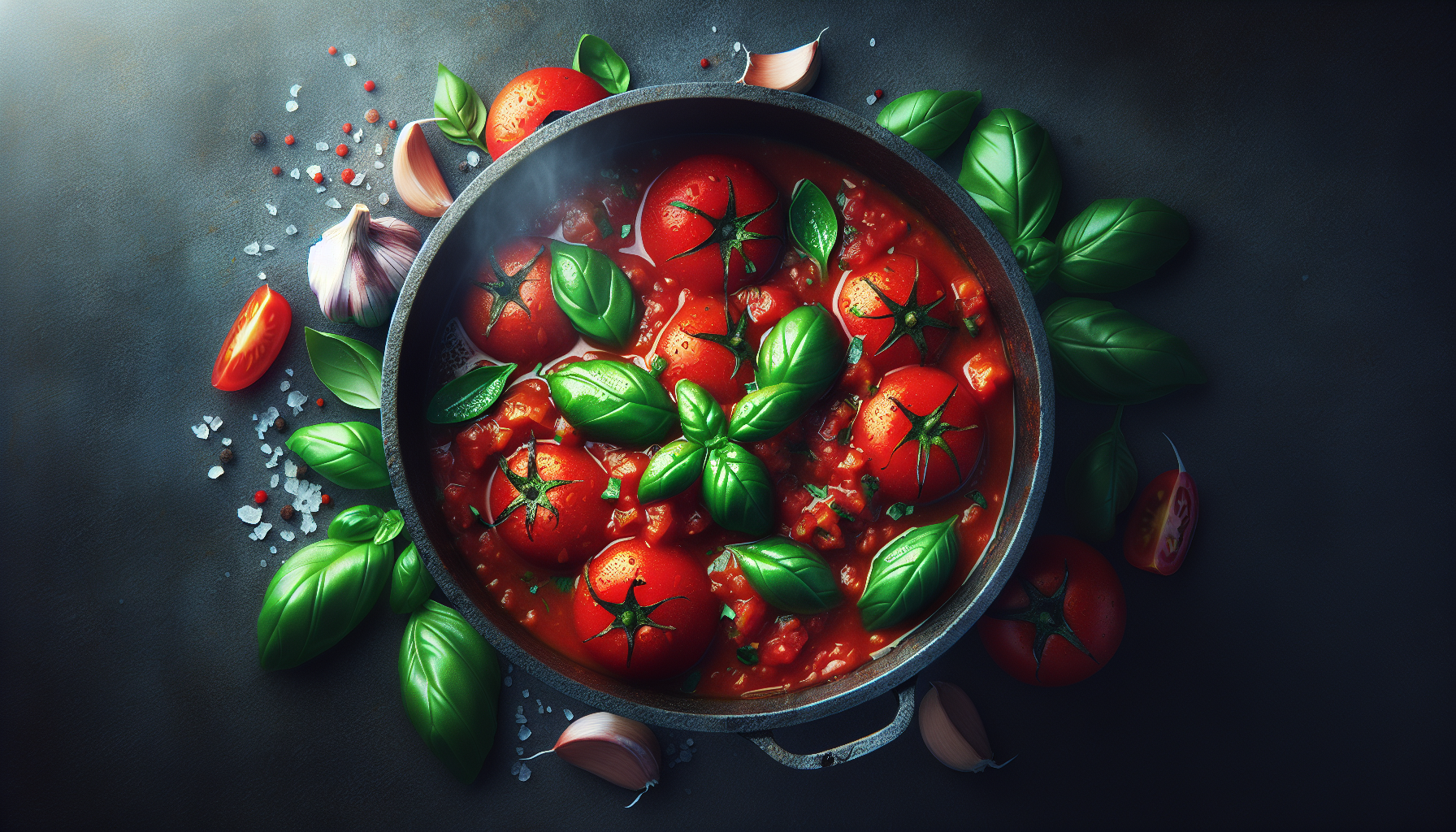
Transitioning to a lower sodium diet can seem daunting, but with a few strategic changes, anyone can reduce their sodium intake without sacrificing flavor. Begin by scrutinizing food labels while shopping. Processed foods, though convenient, often contain high levels of hidden sodium. Opt for low-sodium versions of your favorite products or explore fresh produce as alternatives. Imagine the vibrant flavors of a homemade tomato sauce simmering on your stovetop, free from excessive salt and preservatives!
Cooking at home presents an excellent opportunity to gain control over sodium consumption. Shift your focus to herbs, spices, and acids like lemon juice or vinegar to enhance flavor. A sprinkle of dried oregano or a dash of smoked paprika can transform a dish, providing depth without piling on the salt. Not only do these alternatives offer a bold taste, but they also contribute additional nutrients, benefiting your overall health.
The habit of tasting food before reaching for the salt shaker is another simple, yet effective strategy. Our taste buds adapt quickly to less salty flavors, often within a few weeks. As you gradually adjust to lesser sodium, you’ll start discovering the natural flavors of the ingredients themselves—an eye-opening culinary reward that many find unexpectedly delightful.
“It’s the small, consistent changes that lead to meaningful results,” observes Chef Amira Patel, a renowned advocate for flavorful, low-sodium cuisine.
When dining out, don’t shy away from making special requests. Restaurants are increasingly attuned to dietary preferences, with many offering customizable options to cater to those seeking reduced sodium meals. Prevailing trends indicate a growing demand for health-conscious dining. As you assert more control over your sodium intake in diverse settings, observe the positive impact it has on how you feel and function, prompting thoughts about how this decision might steer long-term wellness.
Take this opportunity to educate and empower yourself and others around you


