


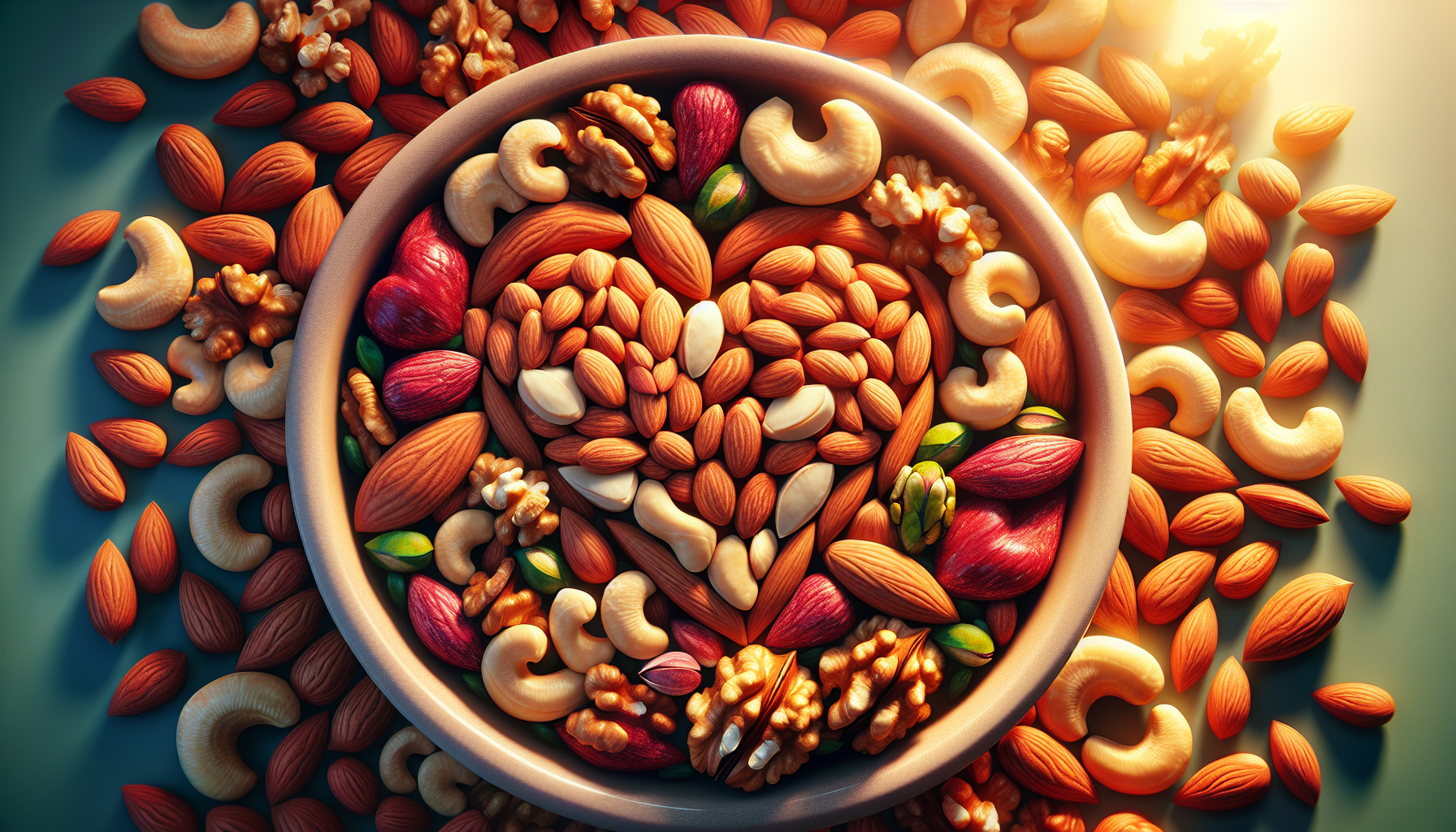
Nuts are small powerhouses of nutrition that pack a big punch when it comes to promoting cardiovascular health. These crunchy delights offer a diverse array of nutrients that cater to various aspects of health, making them an exciting addition to anyone’s diet. Among the many types of nuts available, each brings its own unique set of benefits to the table.
For instance, almonds are rich in vitamin E, which is known for its antioxidant properties that help protect cells from oxidative damage. They’ve been heralded as a brain food and are believed to support cognitive function. Walnuts, on the other hand, are famous for their high content of omega-3 fatty acids. These essential fats are crucial for heart health and are linked to reducing inflammation and improving blood vessel function—an important factor in maintaining a healthy cardiovascular system.
Cashews are particularly high in magnesium, a mineral that’s vital for bone health and energy production. Additionally, pistachios offer a solid protein boost along with a healthy dose of potassium, which helps in maintaining electrolyte balance and proper heart function.
“Let food be thy medicine and medicine be thy food.” – Hippocrates
The diverse nutritional profiles of these nuts make them a powerhouse of health-promoting compounds, which can help in lowering cholesterol levels, reducing inflammation, and supporting overall heart health. But how do the new findings in nut research shed light on their role in reducing the risk of heart-related diseases? It’s an intriguing topic that’s worth exploring, and it invites us to reconsider the role of these mighty morsels in our diets.
Impact on heart disease risk factors
As we delve into the impact of nuts on heart disease risk factors, it’s fascinating to uncover how these small but mighty foods contribute to robust cardiovascular health. A diet rich in nuts has been shown to favorably influence several factors that play a role in heart disease. For instance, consuming nuts can lead to the reduction of LDL cholesterol, often dubbed the “bad” cholesterol, which is a major risk factor for heart disease. At the same time, it helps maintain or even slightly increase HDL cholesterol, the “good” kind that aids in transporting cholesterol to the liver for removal from the body.
Nuts are also associated with improved levels of triglycerides, components of fat that, when too high, can foster the thickening or hardening of artery wall linings, increasing the risk of atherosclerosis. Interestingly, nuts contribute to the reduction of blood pressure, further solidifying their role in heart health. The presence of essential nutrients and bioactive compounds, like omega-3 fatty acids and arginine, support vasodilation, improving blood flow and reducing arterial stiffness.
Moreover, these crunchy treats contain anti-inflammatory properties. Chronic inflammation is a subtle killer, known to fuel a variety of cardiovascular and other systemic ailments. By reducing inflammation, nuts help keep our arterial pathways clear and functional. It’s no surprise that many healthcare providers recommend incorporating them into the diet as a preventive measure against heart disease.
In summary, the new findings continue to emphasize the nutritional value of nuts, encouraging us not just to munch mindlessly, but to enjoy them as a flavorful way to safeguard our heart health. So, next time you reach for a snack, think about the heart-protecting magic packed into every bite of these natural wonders.
Scientific studies supporting nut consumption

Research on nuts and cardiovascular health has been extensive, shining a light on the promising benefits these nutrient-dense snacks offer. Numerous scientific studies have provided robust evidence supporting the inclusion of nuts in a heart-healthy diet. In one pioneering study, published in the “New England Journal of Medicine,” researchers found a marked reduction in the incidence of heart attacks and strokes among individuals who consumed nuts regularly. The data revealed that those who ate nuts at least twice a week had a significantly lower risk of cardiovascular disease compared to those who seldom consumed them.
Another landmark study, the PREDIMED trial, focused on the Mediterranean diet and its role in reducing cardiovascular risk. Participants who were instructed to follow a diet rich in nuts showed a notable reduction in heart disease compared to those who adhered to a low-fat diet. The nuts, particularly walnuts, almonds, and hazelnuts, were credited with improving lipid profiles and reducing oxidative stress, factors that are integral in preventing heart-related ailments.
| Study | Outcome |
|---|---|
| New England Journal of Medicine | Lower incidences of heart attacks and strokes |
| PREDIMED Trial | Reduced cardiovascular risk with a nut-rich diet |
These scientific revelations emphasize not only the heart-protective properties of nuts but also their potential to transform one’s dietary approach. The antioxidants and phytosterols found in these delicious morsels influence numerous metabolic pathways, bestowing benefits that extend far beyond the heart. As research continues to unearth the effects of nut consumption on health, it invites us to reevaluate our dietary choices and consider the powerful impact of even small amounts of nut-derived nutrition in our daily routines.
While the growing


